November 6, 2013

“I” POSITION


In stressful situations, you need to express your thoughts and feelings in a clear, approachable and honest way that the people you’re speaking with can understand and respond to positively. Therefore, begin your sentence with ‘I feel...’ rather than ‘You should...'. In this way, you adopt an attitude that takes responsibility for your own emotions instead of dealing other people the ‘You make me feel’ guilt-trip card, which is bound to create anger and resentment.

Speaking from the I-position is a non-judgemental way of describing other people’s behavior that’s causing you difficulty, without blaming or judging the other person. It consists of four parts: your feelings; the other person’s behavior; how the behavior connects to your feelings; and what you need
to happen.

Speaking from the I-position requires a healthy dose of self disclosure, which can lead you into vulnerable territory. A potential feeling of exposure, however, is worth the discomfort if your words and attitude extinguish arguments rather than fan the flames. When people speak from the I-position they stay more connected than if they revert to name calling–even in emotionally charged encounters.

A benefit of ‘I-statements’ is that because they focus on your feelings, the other person can’t argue or disagree. You’re not blaming or holding them accountable for your emotions, you’re just telling them how you feel. When you blame people you leave yourself open to disagreement and argument.

By speaking from the I-position you’re being clear about your feelings and what you need from the other person.


Sightings...


COMMUNICATING ATTITUDE

Everyone has a ‘guiding attitude’, which is a way of looking at life that drives your behavior and determines your way of thinking and feeling. Whether your general attitude is positive, negative or ambivalent; your evaluation of people, objects, events and activities impacts on other people’s attitudes towards you. As a result, your attitude determines how successful you are in both your professional and personal lives.


According to the twentieth-century Swiss psychologist, Carl Jung, your personality is set at birth. Your attitudes, on the other hand, are the results of direct encounters or observations and can change depending on your experiences. So although attitudes can have a powerful influence on your behaviour, they aren't set in stone, and certain influences that cause you to have one attitude may, at another time, bring about a change in your outlook. For example, to resolve conflicting inner attitudes about a political issue, you may choose to adhere to one attitude over another.

As international author and achievement guru Brian Tracy says, ‘You cannot control what happens to you, but you can control your attitude toward what happens to you, and in that, you will be mastering change rather than allowing it to master you.’

The attitude you send out is likely to be the one you get back. Watch the way people behave and speak if you want to spot their attitudes. For example, people who show up at work early with smiles on their faces and a readiness to volunteer demonstrate a positive attitude. On the other hand, those who drag themselves into the office late and groan about their workload are communicating a negative attitude.


You may also note that attitudes are infectious. Spend time with someone who’s upbeat and you find yourself viewing the world in a positive light. Hang out with people who are down in the dumps and chances are you’re going to end up there with them. 


November 4, 2013

BUSINESS INTELLIGENCE (BI)


From the CEO down to the lowest levels of any organization, every minute of the day; someone is making a decision that has to have an impact on the company’s performance. Sometimes, a decision is at a very high strategic level that it affects the fate of the entire organization, and other times; a decision might be narrowly defined and tactical, affecting a single person or department for a very short window of time. When taken together, these decisions make up a significant portion of the “day in the life” at any given organization, be it a company, governmental agency, or non-profit organization.

In spite of the dramatic advances in technology and tools that aid in the decision-making process, however, far too many people still make decisions the old-fashioned way: by blending a gumbo of tidbits of current information, best recollections of the past, advice from others, and a whole lot of “gut instinct,” and then assessing which path is likely to give the best possible outcome for the decision at hand.

Decisions drive organizations. Making a good decision at a critical moment may lead to a more efficient operation, a more profitable enterprise, or perhaps a more satisfied customer. So it only makes sense that the companies that make better decisions are more successful in the long run.

That’s where business intelligence comes in.

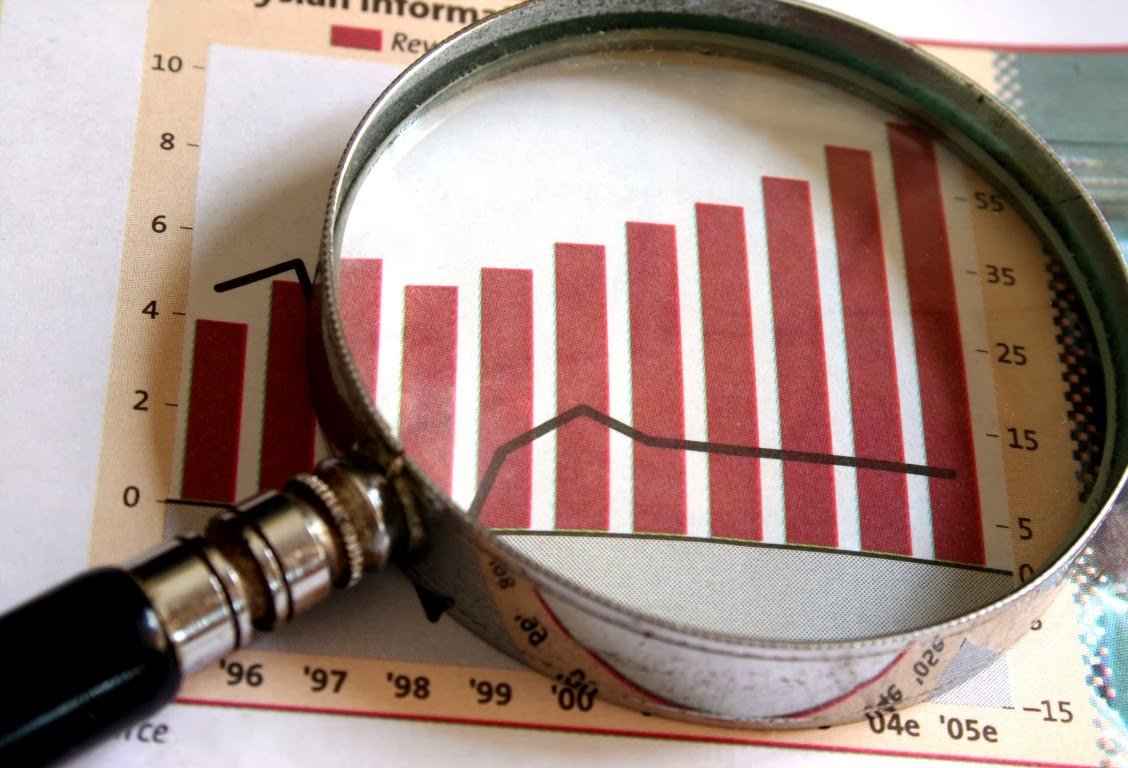
Business intelligence is defined in various ways. For the moment, though, think of BI as using data about yesterday and today to make better decisions about tomorrow. Whether it’s selecting the right criteria to judge success, locating and transforming the appropriate data to draw conclusions, or arranging information in a manner that best shines a light on the way forward, business intelligence makes companies smarter. It allows managers to see things more clearly, and permits them a glimpse of how things will likely be in the future.